Effective Strategies for Managing Stress and Anxiety in Daily Life
Understanding Stress and Anxiety
Defining Stress and Anxiety
Stress and anxiety are often used interchangeably; however, they represent different experiences. Stress is a response to an external event, an immediate reaction to challenges or pressures. It can be positive (eustress) or negative (distress). Anxiety, on the other hand, is a prolonged state of worry or fear about future events, often without a specific trigger. Recognizing the nuances between these can help individuals take appropriate steps towards managing them effectively. For those looking to dive deeper into these concepts, the impact of stress and anxiety cannot be overlooked in modern society.
The Physiological Effects of Stress and Anxiety
When faced with stress, the body undergoes several physiological changes. The hypothalamus activates the adrenal glands, releasing adrenaline and cortisol, hormones that prepare the body to handle challenges. These changes can lead to rapid heart rates, elevated blood pressure, and heightened alertness. Conversely, chronic stress can lead to severe health problems such as heart disease, obesity, diabetes, and mental health disorders. The persistent state of anxiety can manifest in muscle tension, fatigue, and gastrointestinal issues, emphasizing the necessity for effective management techniques.
Common Triggers for Stress and Anxiety
Identifying the triggers of stress and anxiety is crucial for effective management in daily life. Common stressors include work-related deadlines, financial concerns, relationship issues, and significant life changes such as moving or starting a family. For anxiety, triggers may extend beyond immediate situations, encompassing worries about future events or intrusive thoughts. Understanding these triggers allows individuals to develop strategies for confrontation or elimination of stressors, paving the way for more significant personal well-being.
Techniques for Stress and Anxiety Management
Mindfulness and Meditation Practices
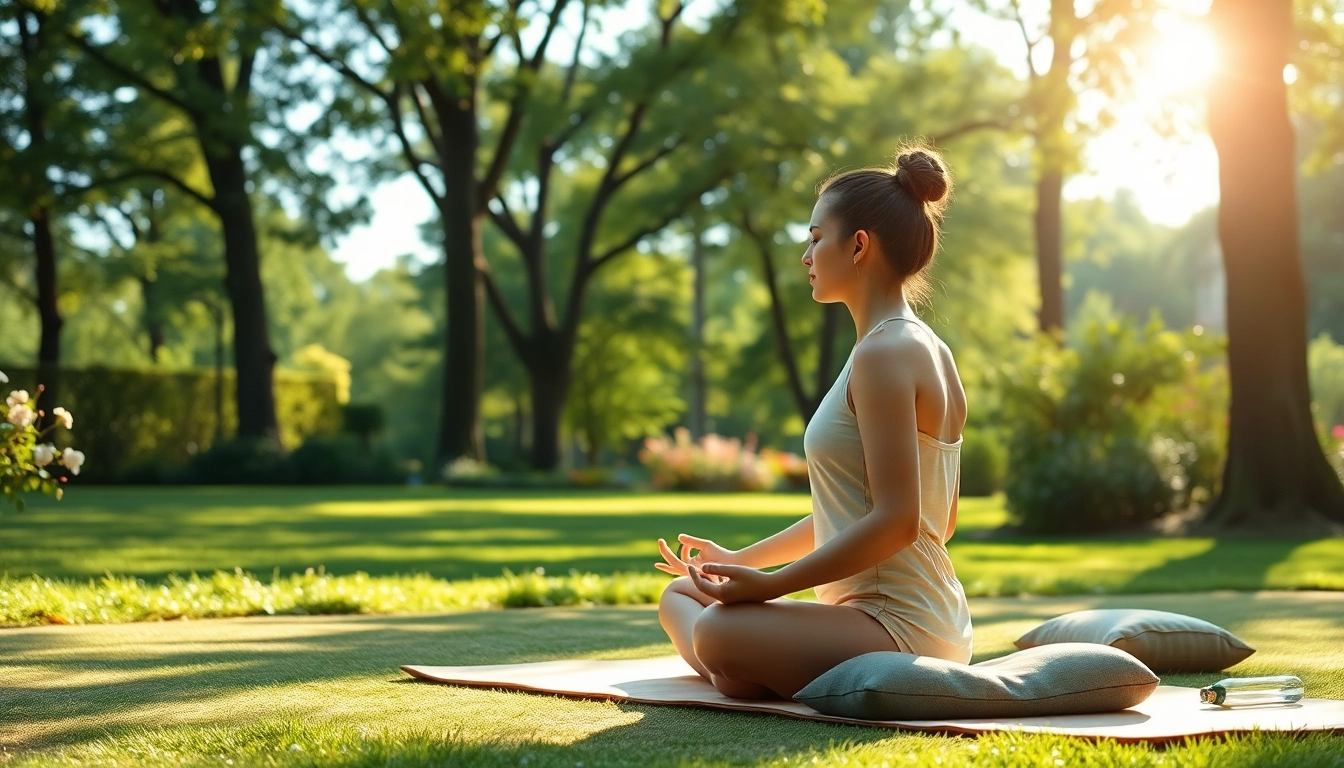
Mindfulness involves focusing on the present moment without judgment. Meditation practices like mindfulness meditation, guided imagery, or loving-kindness meditation have shown substantial benefits in reducing symptoms of stress and anxiety. Regular engagement in these techniques can recalibrate the body’s stress response, promoting relaxation and enhancing overall mental well-being. Beginners can start with guided sessions available online, gradually working toward independent practice.
Physical Fitness and Its Impact
Physical fitness plays a pivotal role in managing stress and anxiety. Exercise triggers the release of endorphins, chemicals in the brain that act as natural painkillers and mood elevators. Activities such as walking, running, yoga, or swimming can significantly lower anxiety levels and improve mood. Additionally, regular exercise improves sleep quality and can help reduce the physiological symptoms of stress. Setting achievable fitness goals can empower individuals, creating a sense of accomplishment amidst stress.
Cognitive Behavioral Therapy Basics
Cognitive Behavioral Therapy (CBT) is a widely recognized method for managing stress and anxiety. It focuses on identifying and altering negative thought patterns that contribute to feelings of anxiety. CBT helps individuals develop coping skills and strategies for addressing stressors effectively. For those facing overwhelming stress or anxiety, seeking out a licensed therapist who specializes in CBT can be instrumental in achieving long-term relief from symptoms.
Creating a Supportive Environment
Importance of Social Connections
Strong social connections can serve as a buffer against stress and anxiety. Building and maintaining relationships with family, friends, and peers promotes emotional support, providing a sense of belonging and security. Engaging in community activities or finding support groups can help individuals who feel isolated. Open communication with trusted individuals enables sharing of fears and experiences, reducing the burden of stress and anxiety.
Setting Boundaries to Reduce Stress
Establishing personal boundaries is essential in reducing unnecessary stress. Individuals often encounter stress from overscheduling, commitments, or toxic relationships. Learning to say no and prioritizing personal well-being can help reclaim control and reduce the overwhelming pressure. Setting boundaries also includes recognizing one’s physical and emotional limits, helping to cultivate a more balanced lifestyle that is conducive to mental health.
Creating a Calm Physical Space
A clutter-free, serene environment can significantly reduce stress levels. Creating a space dedicated to relaxation or mindfulness—whether it’s a corner of a room with calming decor or a simple outdoor space—provides a refuge during overwhelming situations. Incorporating elements like plants, soft lighting, or soothing colors can create an ambiance that invites calmness, enhancing the ability to manage anxiety effectively.
Resources and Tools for Managing Stress and Anxiety
Apps and Online Platforms for Support
Modern technology offers a range of applications designed to assist in managing stress and anxiety. These apps often include guided meditation sessions, mood trackers, or virtual therapy sessions, providing readily available support. Some popular categories include mindfulness apps, fitness trackers, and journaling platforms. Utilizing these resources can facilitate a routine that prioritizes mental well-being, fitting seamlessly into various lifestyles.
Books to Enhance Understanding
Literature provides a wealth of information on stress and anxiety management. Books by mental health professionals or self-help authors can provide insights, techniques, and practical exercises to understand and conquer stress. Exploring various resources allows readers to find approaches that resonate personally, which can be transformative in their journey towards better mental health.
Workshops and Support Groups
Participating in workshops or support groups focusing on stress and anxiety offers valuable connections and resources. These environments facilitate sharing experiences and learning from individuals facing similar challenges. Engaging with professionals in workshops provides structured guidance on coping techniques, thereby empowering individuals to take control of their stress and anxiety management paths.
FAQs on Managing Stress and Anxiety
What are the first signs of stress and anxiety?
Early signs include irritability, difficulty concentrating, fatigue, changes in appetite, and sleep disturbances. Awareness of these symptoms can prompt proactive management.
How can I incorporate mindfulness into my day?
Start small; take a few minutes each day for focused breathing or mindful walking. Gradually increase duration and incorporate mindfulness into routine activities.
What physical activities help alleviate stress?
Activities like yoga, running, dancing, and even walking can effectively reduce stress levels. Find what you enjoy most to maintain consistency.
Are there quick techniques to use during a stressful situation?
Deep breathing, grounding exercises, and visualization techniques can quickly reduce acute stress levels. Practice these techniques beforehand for effectiveness.
When should I seek professional help for stress and anxiety?
Seek help if stress or anxiety interferes with daily functioning, leads to persistent feelings of hopelessness, or causes significant distress over a prolonged period.