
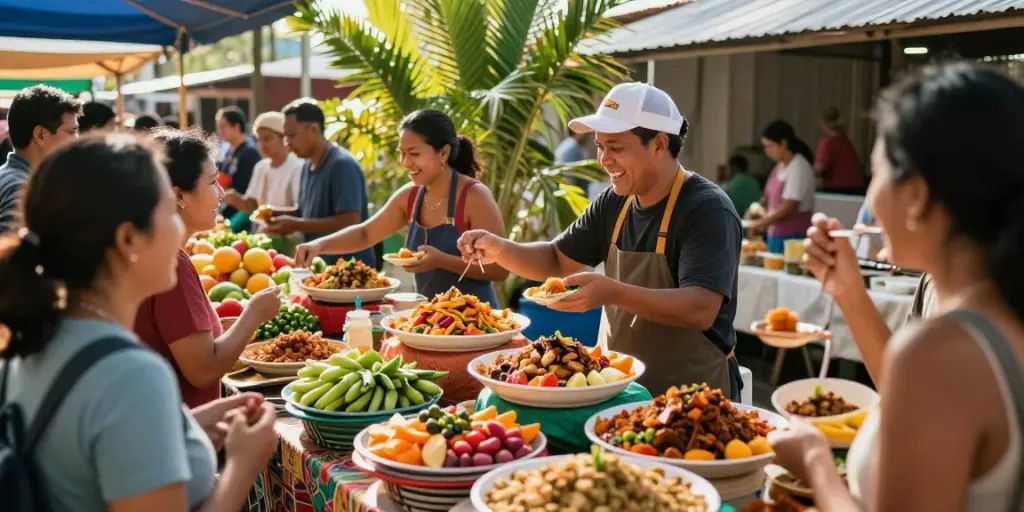
Understanding Current Food Trends
In today's fast-evolving culinary landscape, businesses must stay ahead of the curve to cater to changing consumer preferences. As we delve into the food industry in 2026, it's impossible to ignore the dramatic changes that have reshaped how we view food, dining experiences, and entrepreneurship. From viral snack trends to innovative beverage offerings, the opportunities for aspiring food entrepreneurs are vast. For those looking to explore the latest developments in this sector, rokok88 provides comprehensive insights and resources to navigate the dynamic culinary scene.
What are the Most Popular Culinary Trends of 2026?
As we analyze the culinary landscape this year, several key trends emerge that are influencing consumers' dining choices and preferences:
- Plant-Based Everything: The plant-based movement continues to gain momentum, with an increasing number of consumers embracing vegan and vegetarian diets. From meat alternatives to dairy-free products, businesses are finding ways to innovate with plant-based options.
- Functional Foods: Consumers are gravitating towards foods that not only satiate hunger but also deliver health benefits. This includes gut-friendly probiotics, adaptogens, and immune-boosting ingredients.
- Global Flavors: Global cuisine is more accessible than ever, with an increasing interest in fusion dishes that blend culinary traditions from around the world.
- Experience-Driven Dining: Restaurants are focusing on creating memorable experiences that go beyond the meal, incorporating themed nights, interactive dining, and immersive environments.
- Ghost Kitchens: The rise of delivery apps has catalyzed the growth of ghost kitchens—restaurants without a physical dining space that focus solely on delivery and takeout.
Analyzing Consumer Preferences in Food Choices
Understanding consumer preferences is crucial for any food entrepreneur. Today's consumers are well-informed and value-driven. The following insights can help businesses tailor their offerings:
- Sustainability Matters: More diners are making choices based on sustainability practices, selecting brands that prioritize eco-friendly sourcing, packaging, and operations.
- Health-Conscious Decisions: A greater emphasis on health and wellness is evident, with many consumers opting for lower-calorie, sugar-free options, and organic ingredients.
- Social Media Influence: Platforms like Instagram and TikTok play a significant role in shaping food trends. Visually appealing dishes are more likely to gain traction on these platforms.
The Rise of Unique Beverages and Snacks
Alongside food trends, the beverage sector has undergone a revolution of its own. Unique drink offerings, like gourmet coffee blends, functional teas, and inventive mocktails, are making waves. Snacks have also transcended traditional boundaries, with items like savory protein chips, exotic fruit jerky, and artisanal popcorn gaining popularity.
Starting Your Culinary Business
Launching a food business in this competitive landscape requires careful planning and execution. Below are essential steps for aspiring culinary entrepreneurs:
Essential Steps to Launch Your Food Venture
- Market Research: Identify your target audience and understand their needs and preferences.
- Business Plan: Create a comprehensive business plan outlining your concept, menu, pricing strategy, and financial projections.
- Legal Requirements: Ensure compliance with all local health and safety regulations, securing necessary licenses and permits.
- Brand Development: Develop a unique brand identity that resonates with your audience and communicates your value proposition effectively.
- Marketing Strategy: Plan your marketing strategy, focusing on both traditional outreach and digital marketing.
Key Factors for Identifying Your Niche Market
Finding your niche can significantly enhance your chances of success. Consider the following:
- Identify Gaps: Evaluate what's lacking in your local market and how you can fill that gap.
- Leverage Personal Passions: Infuse your personal interests and passions into your culinary offerings, as heartfelt businesses often resonate more with customers.
- Consumer Demographics: Understand the demographics of your target market to better tailor your offerings.
Crafting a Distinct Brand Identity
A memorable brand identity can set you apart from competitors. Focus on the following elements:
- Logo and Design: Your visual elements should reflect your brand's personality and values.
- Storytelling: Share your brand's story to create an emotional connection with your audience.
- Customer Experience: Ensure that every customer interaction reflects your brand ethos, from service to packaging.
Marketing Strategies for Food Businesses
Effective marketing is vital for establishing and growing your culinary enterprise. Here's how to make a significant impact:
Effective Social Media Marketing Techniques for 2026
Social media platforms are essential tools for food businesses looking to engage with their audiences. Key strategies include:
- Content Creation: Post regularly, showcasing your dishes, behind-the-scenes content, and customer testimonials.
- Engagement: Interact with your audience through comments, contests, and direct messages to build a strong community.
- Influencer Collaborations: Partner with social media influencers to reach a wider audience and gain credibility.
Engaging Customers with Visual Content
In the food industry, high-quality visuals can dramatically enhance your marketing efforts. Consider these tips:
- Professional Photography: Invest in professional food photography to capture enticing images of your dishes.
- Video Content: Use short-form videos to showcase cooking processes, customer reactions, and special events.
- User-Generated Content: Encourage customers to share their experiences on social media, leveraging their content to build authenticity.
Utilizing Influencer Partnerships in Food Promotion
Influencers can be powerful allies in promoting your culinary brand. To maximize the impact of these partnerships:
- Choose the Right Influencers: Select influencers whose values align with your brand and who have a following that matches your target market.
- Creative Campaigns: Collaborate on creative campaigns that engage audiences, such as cooking challenges or exclusive tastings.
- Track Results: Monitor the effectiveness of campaigns through engagement metrics and sales data to refine future approaches.
Operational Best Practices
Beyond marketing, operational efficiency plays a crucial role in the success of your food business. Here are some best practices:
Managing Supply Chain and Inventory Effectively
A well-managed supply chain can help minimize costs and ensure quality. Consider these strategies:
- Supplier Relationships: Build strong relationships with suppliers to ensure consistent quality and flexibility.
- Inventory Management Systems: Use modern inventory management software to track stock levels and minimize waste.
- Demand Forecasting: Analyze sales data to forecast demand and adjust inventory levels accordingly.
Budgeting and Financial Planning for Your Food Business
Sound financial planning is essential for sustainable business growth. Key components include:
- Initial Setup Costs: Be realistic about costs associated with equipment, licensing, and initial inventory.
- Ongoing Expenses: Maintain an understanding of recurring costs to inform pricing strategies and sales targets.
- Financial Tracking: Regularly review financial statements to monitor profitability and identify areas for improvement.
Ensuring Food Safety and Compliance
Food safety is paramount in the culinary industry. To ensure compliance:
- Health Regulations: Familiarize yourself with local health codes and regulations and ensure your staff is trained accordingly.
- Sanitation Practices: Implement strict sanitation protocols in the kitchen and dining areas.
- Regular Audits: Conduct frequent audits of your food safety measures to identify potential hazards.
Future Opportunities in the Food Industry
The food industry is continually evolving, and staying informed about future opportunities is critical for long-term success.
Predictions for Food Trends Beyond 2026
While many culinary trends are currently popular, several predictions hint at future shifts:
- Augmented Reality (AR) Dining: As technology evolves, AR may play a role in enhancing dining experiences through interactive menus.
- Further Personalization: Customization will continue to be key, with more restaurants offering tailored menu items to meet individual preferences.
- Culinary Sustainability Enhancements: A push towards sustainable practices will likely lead to a rise in local sourcing, minimal waste, and eco-friendly operations.
The Impact of Technology on Culinary Practices
Advancements in technology are set to transform culinary practices, bringing innovations in:
- Smart Kitchens: IoT devices that help monitor temperatures, manage inventory, and ensure efficiency.
- Delivery Innovations: Continued growth of drone and robot delivery systems, streamlining logistics.
- Online Ordering Systems: Enhanced user experiences with seamless online ordering interfaces.
Exploring Sustainable Practices in Food Production
Sustainability will remain a focal point in the food industry. Initiatives might include:
- Waste Reduction Programs: Implementing strategies to minimize food waste at all stages of production.
- Local Sourcing: Partnering with local farmers and producers to provide fresh, seasonal ingredients that reduce carbon footprints.
- Education and Awareness: Engaging customers in sustainability efforts through education and highlighting eco-friendly practices.
What Are the Challenges Facing New Food Entrepreneurs?
New food entrepreneurs face several challenges that can test their resilience:
- Market Saturation: The culinary market can be competitive, making it crucial to carve out a unique niche.
- Economic Factors: Fluctuating food prices and economic downturns can impact profitability.
- Regulatory Compliance: Navigating the myriad of local and federal regulations can be daunting for newcomers.
How Will Food Delivery Services Evolve?
The food delivery landscape is rapidly evolving, with trends suggesting:
- Increased Convenience: More focus on streamlining the ordering process for consumers, including improved app functionality.
- Expansion of Options: Diverse meal choices, including healthy and gourmet options, will continue to grow in popularity.
- Collaboration Among Brands: Partnerships between restaurants and delivery services could lead to bundled meal options or exclusive deals.