Elevating Sports Broadcasting: Techniques and Trends for Engaging Audiences
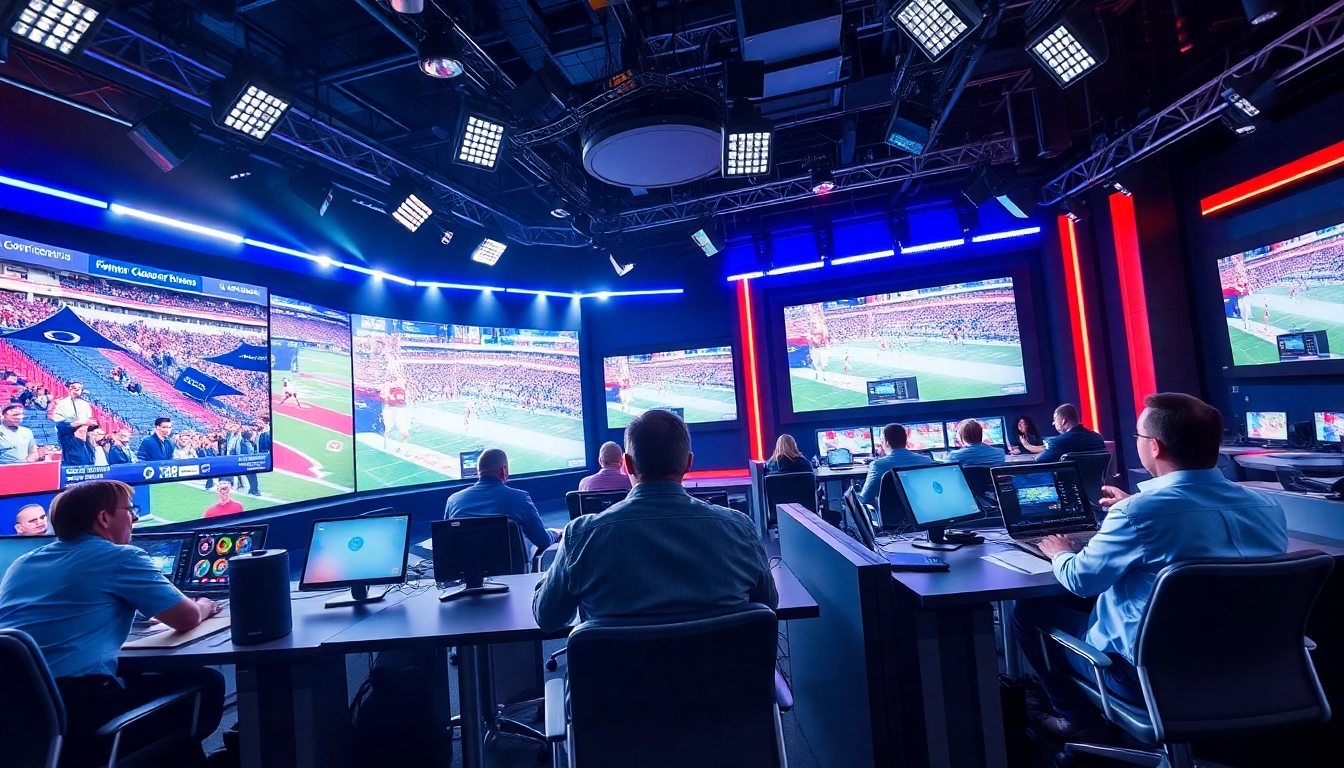
The Evolution of Sports Broadcasting
Sports broadcasting has undergone a remarkable transformation since its inception, adapting to technological advancements and the changing preferences of viewers. The journey from radio broadcasts of the early 20th century to today’s immersive digital experiences showcases not only the evolution of technology but also the shifting landscape of audience engagement. Understanding the significant milestones, technological breakthroughs, and the role of the internet is essential to grasp how Sports Broadcasting continues to raise the bar for entertainment and viewer interaction.
History and Milestones in Sports Broadcasting
The history of sports broadcasting can be traced back to the 1920s when radio broadcasts became the primary medium for delivering live sports to audiences throughout the United States. The first official sports broadcast took place in 1921, featuring a boxing match between Johnny Dundee and Johnny Ray. This marked the dawn of a new era, allowing fans to experience sports in real-time from the comfort of their homes.
Television entered the scene in the 1930s, revolutionizing sports broadcasting by adding a visual element. The first televised sports event occurred in 1939, showcasing a baseball game between the Princeton and Columbia teams. By the 1950s, the sports industry saw the emergence of network television, which brought live sports coverage to millions and became a staple in American households.
Major milestones continued through the decades, including the introduction of color broadcasting in the 1960s and the rise of cable networks in the 80s, which provided dedicated sports channels like ESPN. These developments expanded the range and expertise of sports coverage, offering fans in-depth analysis and diverse programming options.
Major Technological Advancements
The advancements in technology have been pivotal in shaping sports broadcasting. The introduction of satellite technology in the 1980s enabled broadcasters to cover events from remote locations, allowing for more comprehensive coverage of international sports. With the advent of high-definition (HD) and 4K broadcasting, viewers now enjoy a crystal-clear visual experience that brings games to life.
The incorporation of graphics and analytics tools has also enhanced the storytelling aspect of sports broadcasting. Real-time statistics, player tracking systems, and graphical overlays enrich the viewing experience, providing fans with deeper insights into the games. With the rise of smart technologies and AI, broadcasters can now analyze viewer behavior and preferences to tailor content that resonates with specific demographics.
Impact of the Internet on Sports Broadcasting
The internet has significantly transformed how sports are consumed and shared. The shift to online streaming platforms has created a more flexible viewing environment, allowing fans to watch games anytime and anywhere. This change is particularly relevant for younger demographics who prefer mobile devices and on-demand content.
Social media platforms have further changed the landscape. They allow fans to engage in real-time discussions, share highlights, and connect with teams and athletes like never before. The rise of streaming services and esports has prompted traditional broadcasters to rethink their strategies and embrace digital solutions to reach a broader audience.
Key Elements of Effective Sports Broadcasting
Pre-Production Planning
Effective sports broadcasting begins long before the cameras start rolling. Pre-production planning is essential for ensuring a smooth broadcast. This involves thorough research on teams, players, and the event itself, enabling broadcasters to create engaging narratives. Logistical considerations, such as location scouting and equipment setup, must also be addressed.
Producers should develop a comprehensive run sheet that outlines the broadcast flow, including cues for graphics, interviews, and special segments. It is also crucial to involve technical teams early on to ensure that all necessary equipment is operational and that contingency plans are in place for unexpected issues.
On-Air Presentation Techniques
On-air presentation plays a critical role in the viewer experience. Broadcasters are the voices of the events, and their delivery can make or break the show. Effective anchors and commentators combine knowledge, charisma, and storytelling abilities to engage viewers. They should be adept at improvisation and managing on-the-fly situations, which are common in live sports events.
Utilizing a variety of visual and audio elements—such as instant replays, sound bites, and guest interviews—can enhance the presentation. A strong on-screen presence and clear articulation help in maintaining the audience’s focus and investment in the event. Furthermore, the ability to communicate emotions and tension builds an atmosphere that resonates with viewers.
Audience Engagement Strategies
In today’s competitive media landscape, engaging the audience is more crucial than ever. Broadcasters need to implement various strategies to foster interaction and loyalty among viewers. This can be achieved through interactive elements like polls, social media integrations, and live chats. Engaging consumers on platforms where they spend most of their time creates a sense of community and connection.
Additionally, broadcast teams should keep a pulse on viewer preferences and trends to cater content effectively. Personalized communication, whether through tailored content or targeted advertising, can significantly enhance audience loyalty. It is paramount for broadcasters to adapt content to meet the preferences of diverse demographics, ensuring that no viewer feels left out.
Analyzing Viewer Preferences in Sports Broadcasting
Demographics and Viewing Habits
Understanding viewer demographics is foundational for optimizing sports broadcasting strategies. Factors such as age, gender, and geographic location influence viewing habits and preferences. For instance, younger audiences may prefer streaming options, while older demographics might favor traditional television.
Analyzing viewing patterns helps broadcasters select optimal airtimes, understand peak engagement periods, and tailor content to meet the interests of different segments. Surveys and data analytics can provide insights into how viewers consume content, informing decisions regarding scheduling, programming, and marketing strategies.
Influence of Social Media
Social media is a formidable force in reshaping how sports broadcasts are consumed. Platforms like Twitter and Instagram facilitate real-time interaction between fans, players, and teams, creating an ongoing dialogue that enhances the overall experience of sports. Broadcasters can leverage social media to promote content, engage audiences, and gather feedback.
Incorporating social media-driven segments during broadcasts—like showcasing fan tweets or comments—can enhance viewer interaction, making fans feel included in the conversation. Broadcasters who actively engage with their audience on these platforms can cultivate a stronger connection with viewers, leading to increased loyalty and viewership.
Feedback Mechanisms for Improvement
Implementing feedback mechanisms is key to continuous improvement in sports broadcasting. Encouraging viewers to share their opinions and experiences through surveys, social media, or direct interaction allows broadcasters to gain valuable insights. This data can inform decisions about programming, presentation styles, and technological needs.
To foster an environment of open communication, broadcasters should make it clear how feedback will be utilized for show improvements. Gathering this information not only helps in refining existing offerings but also fosters trust and loyalty from the audience, who see their input valued.
The Future of Sports Broadcasting
Emerging Technologies in Broadcasting
As technology continues to evolve, the future of sports broadcasting looks promising with emerging innovations paving the way for new experiences. Artificial Intelligence (AI) and Machine Learning (ML) are increasingly being used to analyze viewer habits, optimize content delivery, and personalize experiences.
Implementing these technologies can lead to enhanced interactivity and convenience for viewers, who can access tailored content according to their preferences. The integration of cloud computing allows broadcasters to operate more efficiently, accommodating the growing demand for live and on-demand content across various platforms.
Virtual and Augmented Reality Experiences
Virtual Reality (VR) and Augmented Reality (AR) present an exhilarating frontier for sports broadcasting. These technologies can provide immersive experiences that allow fans to feel as if they are part of the event. For instance, VR can transport viewers to a front-row seat in the stadium, while AR can overlay real-time stats and analytics during a live broadcast.
As stadiums and arenas adopt AR experiences for live attendees, broadcasters can enhance these features for viewers at home, offering a richer experience that elevates engagement levels. The integration of VR and AR into sports broadcasts may soon become a standard expectation as audiences seek more engaging and interactive ways to experience their favorite sports.
Trends Shaping the Future of Sports Engagement
The future of sports engagement will be shaped by trends that prioritize customization, convenience, and interactivity. Fans are increasingly seeking ways to curate their own viewing experiences, from selecting preferred camera angles to engaging in interactive broadcasts. Broadcasters must keep an eye on these trends to stay relevant in an ever-changing landscape.
Moreover, as the popularity of esports continues to rise, traditional sports broadcasters may need to adapt content strategies to cater to this growing audience. Integrating gaming culture and esports personalities into broadcasts could attract younger viewers while enriching existing programming with innovative formats that amplify overall engagement.
FAQs about Sports Broadcasting
What are the main roles in a sports broadcasting team?
The main roles include anchors, analysts, producers, and technical crew, each crucial to delivering high-quality broadcasts.
How has streaming changed sports broadcasting?
Streaming allows for more flexible viewing options, reaching wider audiences and providing on-demand access to sports content.
What technology is essential for sports broadcasting?
Essential technologies include high-definition cameras, graphics software, sound equipment, and live-streaming platforms.
How do broadcasters maintain viewer engagement?
They use interactive elements, real-time stats, and viewer feedback to create a more immersive and engaging experience.
What are common challenges faced in sports broadcasting?
Challenges include meeting tight production schedules, adapting to technology changes, and understanding audience preferences.